KIA cee'd 1.6 GSL + Optionale

Totul despre al vostru Kia cee'd şi poze bineînţeles!
Post Reply
User avatar
scubli
"ambiguus"
Posts: 3644
Joined: 16 Dec 2007, 13:56
Auto:
Location: Oradea si/sau Sighetu Marmatiei
Contact:

Re: KIA cee'd 1.6 GSL + Optionale

Post by scubli »

MARS wrote:imi puteti spune si mie de ce puneti azot, si ce imbunatatiri aduce?Nu sunt un cunoscator!
Daca citeai cu cateva posturi mai sus iti gaseai raspunsul la intrebare, dar fie:
Azotul, spre deosebire de aer, nu este influentat de temperatura sau alti factori ce influenteaza aerul spre dilatare si alte cele.
Se mai spune ca ar si amortiza putin mai bine gropile dar nu pot sa spun ca e asa pt. ca nu am simtit mare diferente. Motivul principal este ca nu mai ai treaba cu presiunea in pneuri.

Joco
Posts: 709
Joined: 13 Feb 2008, 23:06
Auto:

Re: KIA cee'd 1.6 GSL + Optionale

Post by Joco »

Fără a încerca minimalizarea fenomenului ce se produce la umplere cu azotul,
eu unul spun că nu poate fi o diferenţă semnificativă ţinînd cont de compoziţia aerului.
http://ro.wikipedia.org/wiki/Aer
Joco
1,6GLS/AT+opționale MARS RED CV 04 PCL
comanda pe 16 ianuarie, mașina sosită în țară pe 5 martie, certificat provizoriu completat pe 13 martie, mașina livrată pe 20 martie....de ce?
Jurnal de bord: viewtopic.php?f=5&t=1598&p=97624#p97624

User avatar
scubli
"ambiguus"
Posts: 3644
Joined: 16 Dec 2007, 13:56
Auto:
Location: Oradea si/sau Sighetu Marmatiei
Contact:

Re: KIA cee'd 1.6 GSL + Optionale

Post by scubli »

@Joco: E drept ca aerul are in compozitie mare parte Azot, dar mai are si alte impuritati, sa le spun asa, care reactioneaza in diferite moduri. Pe cand Azotul pur este mult mai stabil decat aerul.

Numai bine.

User avatar
scubli
"ambiguus"
Posts: 3644
Joined: 16 Dec 2007, 13:56
Auto:
Location: Oradea si/sau Sighetu Marmatiei
Contact:

Re: KIA cee'd 1.6 GSL + Optionale

Post by scubli »

@Joco: Am gasit acest articol pe un site.
Nitrogen inflation

Nitrogen inflation (nitrogen filled tyres) is one of those topics that gets discussed in car circles a lot. Some people swear by it, whilst others consider it to be an expensive rip off. So what's the big idea? Well there are two common theories on this.

Theory 1: nitrogen molecules are larger than oxygen molecules so they won't permeate through the rubber of the tyre like oxygen will, and thus you'll never lose pressure over time due to leakage. The fact is any gas will leak out of a tyre if its at a higher pressure than the ambient pressure outside. The only way to stop it is a non-gas-permeable membrane lining the inside of the tyre.
The science bit: Water is about half the size of either nitrogen or oxygen, so it might diffuse out of the tyre faster, but it would have to be much, much faster to make a difference. Tyres can leak 1-2 psi a month at the extreme end of the scale although it's not clear how much of that is by permeation through the rubber, and how much is through microscopic leaks of various sorts. For a racing tyre to lose significant water during its racing lifetime (maybe an hour or so for Formula 1), the permeation rate would have to be hundreds of times faster than oxygen or nitrogen, so that pretty much cancels out the idea that it's the molecule size that makes the difference.

Theory 2: Nitrogen means less water vapour. This is more to do with the thermal properties than anything else. Nitrogen is an inert gas; it doesn't combust or oxidise. The process used to compress nitrogen eliminates water vapor and that's the key to this particular theory. When a tyre heats up under normal use, any water vapour inside it also heats up which causes an increase in tyre pressure. By removing water vapor with a pure nitrogen fill, you're basically going to allow the tyre to stay at a more constant pressure irrespective of temperature over the life of the tyre. In other words, your tyre pressures won't change as you drive.
The science bit: The van der Waals gas equation provides a good estimate for comparing the expansions of oxygen and nitrogen to water. If you compare moist air (20°C, 80% RH) to nitrogen, you'll find that going up as far as 80°C results in the moist air increasing in pressure by about 0.01 psi less per litre volume than nitrogen. Moist air will increase in pressure by 7.253psi whereas nitrogen will increase in pressure by 7.263psi. Even humid air has only a small amount of water in it (about 2 mole % which means about 2% by volume), so that all puts a bit of a blunt tip on the theory that it's the differences in thermal expansion rates that give nitrogen an advantage. In fact it would seem to suggest that damp air is marginally better than nitrogen. Go figure.

So which option is right - smaller molecules, or less water vapour? It would seem neither. A reader of this site had a good thought on the whole nitrogen inflation thing. He wrote: Some racer who did not know the details of chemistry and physics thought that nitrogen would be better because (insert plausible but incorrect science here) and he started using nitrogen. He won some races and word got out that he was using nitrogen in his tires. Well, it is not expensive to use nitrogen in place of air, so pretty soon everyone was doing it. Hey, until I hear a reason that makes good scientific sense, this explanation seems just as good.

Nitrogen inflation is nothing new - the aerospace world has been doing it for years in aircraft tyres. Racing teams will also often use nitrogen inflation, but largely out of conveience rather than due to any specific performance benefit, which would tend to fit with the armchair science outlined above. Nitrogen is supplied in pressurised tanks, so no other equipment is needed to inflate the tyres - no compressors or generators or anything.

So does it make a difference to drivers in the real world? Well consider this; The air you breathe is already made up of 78% nitrogen. The composition is completed by 21% oxygen and tiny percentages of argon, carbon dioxide, neon, methane, helium, krypton, hydrogen and xenon. The kit that is used to generate nitrogen for road tyres typically only gets to about 95% purity. To get close to that in your tyres, you'd need to inflate and deflate them several times to purge any remaining oxygen and even then you're only likely to get about 90% pure nitrogen. So under ideal conditions, you're increasing the nitrogen content of the gas in the tyre from 78% to 90%. Given that nitrogen inflation from the average tyre workshop is a one-shot deal (no purging involved) you're more likely to be driving around with 80% pure nitrogen than 90%. That's a 2% difference from bog standard air. On top of that, nitrogen inflation doesn't make your tyres any less prone to damage from road debris and punctures and such. It doesn't make them any stronger, and if you need to top them up and use a regular garage air-line to do it, you've diluted whatever purity of nitrogen was in the tyres right there. For $30 a tyre for nitrogen inflation, do you think that's worth it? For all the alleged benefits of a nitrogen fill, you'd be far better off finding a tyre change place that has a vapour-elimination system in their air compressor. If they can pump up your tyres with dry air, you'll get about the same benefits as you would with a nitrogen inflation but for free.

Sursa: http://www.carbibles.com/tyre_bible_pg2.html

Joco
Posts: 709
Joined: 13 Feb 2008, 23:06
Auto:

Re: KIA cee'd 1.6 GSL + Optionale

Post by Joco »

scubli wrote:@Joco: Am gasit acest articol pe un site.
Nitrogen inflation

Nitrogen inflation (nitrogen filled tyres) is one of those topics that gets discussed in car circles a lot. Some people swear by it, whilst others consider it to be an expensive rip off. So what's the big idea? Well there are two common theories on this.

Theory 1: nitrogen molecules are larger than oxygen molecules so they won't permeate through the rubber of the tyre like oxygen will, and thus you'll never lose pressure over time due to leakage. The fact is any gas will leak out of a tyre if its at a higher pressure than the ambient pressure outside. The only way to stop it is a non-gas-permeable membrane lining the inside of the tyre.
The science bit: Water is about half the size of either nitrogen or oxygen, so it might diffuse out of the tyre faster, but it would have to be much, much faster to make a difference. Tyres can leak 1-2 psi a month at the extreme end of the scale although it's not clear how much of that is by permeation through the rubber, and how much is through microscopic leaks of various sorts. For a racing tyre to lose significant water during its racing lifetime (maybe an hour or so for Formula 1), the permeation rate would have to be hundreds of times faster than oxygen or nitrogen, so that pretty much cancels out the idea that it's the molecule size that makes the difference.

Theory 2: Nitrogen means less water vapour. This is more to do with the thermal properties than anything else. Nitrogen is an inert gas; it doesn't combust or oxidise. The process used to compress nitrogen eliminates water vapor and that's the key to this particular theory. When a tyre heats up under normal use, any water vapour inside it also heats up which causes an increase in tyre pressure. By removing water vapor with a pure nitrogen fill, you're basically going to allow the tyre to stay at a more constant pressure irrespective of temperature over the life of the tyre. In other words, your tyre pressures won't change as you drive.
The science bit: The van der Waals gas equation provides a good estimate for comparing the expansions of oxygen and nitrogen to water. If you compare moist air (20°C, 80% RH) to nitrogen, you'll find that going up as far as 80°C results in the moist air increasing in pressure by about 0.01 psi less per litre volume than nitrogen. Moist air will increase in pressure by 7.253psi whereas nitrogen will increase in pressure by 7.263psi. Even humid air has only a small amount of water in it (about 2 mole % which means about 2% by volume), so that all puts a bit of a blunt tip on the theory that it's the differences in thermal expansion rates that give nitrogen an advantage. In fact it would seem to suggest that damp air is marginally better than nitrogen. Go figure.

So which option is right - smaller molecules, or less water vapour? It would seem neither. A reader of this site had a good thought on the whole nitrogen inflation thing. He wrote: Some racer who did not know the details of chemistry and physics thought that nitrogen would be better because (insert plausible but incorrect science here) and he started using nitrogen. He won some races and word got out that he was using nitrogen in his tires. Well, it is not expensive to use nitrogen in place of air, so pretty soon everyone was doing it. Hey, until I hear a reason that makes good scientific sense, this explanation seems just as good.

Nitrogen inflation is nothing new - the aerospace world has been doing it for years in aircraft tyres. Racing teams will also often use nitrogen inflation, but largely out of conveience rather than due to any specific performance benefit, which would tend to fit with the armchair science outlined above. Nitrogen is supplied in pressurised tanks, so no other equipment is needed to inflate the tyres - no compressors or generators or anything.

So does it make a difference to drivers in the real world? Well consider this; The air you breathe is already made up of 78% nitrogen. The composition is completed by 21% oxygen and tiny percentages of argon, carbon dioxide, neon, methane, helium, krypton, hydrogen and xenon. The kit that is used to generate nitrogen for road tyres typically only gets to about 95% purity. To get close to that in your tyres, you'd need to inflate and deflate them several times to purge any remaining oxygen and even then you're only likely to get about 90% pure nitrogen. So under ideal conditions, you're increasing the nitrogen content of the gas in the tyre from 78% to 90%. Given that nitrogen inflation from the average tyre workshop is a one-shot deal (no purging involved) you're more likely to be driving around with 80% pure nitrogen than 90%. That's a 2% difference from bog standard air. On top of that, nitrogen inflation doesn't make your tyres any less prone to damage from road debris and punctures and such. It doesn't make them any stronger, and if you need to top them up and use a regular garage air-line to do it, you've diluted whatever purity of nitrogen was in the tyres right there. For $30 a tyre for nitrogen inflation, do you think that's worth it? For all the alleged benefits of a nitrogen fill, you'd be far better off finding a tyre change place that has a vapour-elimination system in their air compressor. If they can pump up your tyres with dry air, you'll get about the same benefits as you would with a nitrogen inflation but for free.

Sursa: http://www.carbibles.com/tyre_bible_pg2.html
Da-:) şi eu ce am zis .....
Este desigur poate cel mai important, să nu avem vapori de apă. Însă mai toţi au deja decantoare montate pe compresoare. Eu am în plus şi un filtru, exact cum este un filtru de benzină de înaltă presiune, care este montat la capătul furtunului cu manometru-:)

Joco

Joco
1,6GLS/AT+opționale MARS RED CV 04 PCL
comanda pe 16 ianuarie, mașina sosită în țară pe 5 martie, certificat provizoriu completat pe 13 martie, mașina livrată pe 20 martie....de ce?
Jurnal de bord: viewtopic.php?f=5&t=1598&p=97624#p97624

User avatar
scubli
"ambiguus"
Posts: 3644
Joined: 16 Dec 2007, 13:56
Auto:
Location: Oradea si/sau Sighetu Marmatiei
Contact:

Re: KIA cee'd 1.6 GSL + Optionale

Post by scubli »

Update la jurnal: 12.100km, totul este bine, nicio problema.

Au venit si presurile si tavita pt. portbagaj de la KIA, aici sunt cateva poze: http://picasaweb.google.com/ScubliVlad/Accesorii#
Ambele sunt KIA Motors Genuine Parts, Made in Korea.
O sa le si pun in masina dupa ce o aspir putin pt. ca am facut aprovizionarea de iarna cu cartofi, ceapa etc si e destul de murdara.

Numai bine.

User avatar
scubli
"ambiguus"
Posts: 3644
Joined: 16 Dec 2007, 13:56
Auto:
Location: Oradea si/sau Sighetu Marmatiei
Contact:

Re: KIA cee'd 1.6 GSL + Optionale

Post by scubli »

Am ajuns la 12.400km, totul perfect pana acum, nicio problema.

M-am intalnit in Satu Mare cu adimot, un om de nota 10, ne-am intins la povesti vreo 2 ore chiar daca eu eram pe drum spre casa si am facut doar o oprire mica. Probabil mai stateam daca nu aveam de transportat spre Sighet 2 bucati bunici :lol:

Per total a fost foarte ok, am pus si cateva poze aici: http://picasaweb.google.com/ScubliVlad/ ... 2SatuMare#
Numai bine

Orlando_LR
Pro_ceed-ar
Posts: 203
Joined: 14 Jul 2008, 01:01
Auto:
Location: Bucuresti
Contact:

Re: KIA cee'd 1.6 GSL + Optionale

Post by Orlando_LR »

Salut!
Sunt superbe presurile...imi plac la nebunie mai ales scrisul rosu :D
Ai idee daca,la achizitionarea masini noi de la mit(cazul meu), masina vine cu acest tip de presuri?
Sunt incredibil de frumoase...nu stiu de ce imi plac asa mult :D
Pro_ceed Classic+optionale.Comandata pe 10 iulie.Primita pe 29 septembrie.Mars red. 1.4 poze: http://gonzo.fotohost.ro/gonzo_pro_ceed_mars_red
R.I.P. Micutzu :cry:

Teddy
Sageata Blue
Posts: 1536
Joined: 03 Nov 2007, 19:33
Auto:
Location: HD,Petrosani
Contact:

Re: KIA cee'd 1.6 GSL + Optionale

Post by Teddy »

@scubli :
Accesoriile sunt de nota 10 :smt023 ...si personalizate =D>
Frumoasa intalnire si frumoase masinutze =D>

P.S. ...daca era bunicutzul vitezoman...in poze iesea numai masinutza lui @adimot :lol: :lol: :lol:

Drum bun !!!
Cee`d 1.4 START+opt.(13) kompass blue HD-09-CTM
ALBUME: http://picasaweb.google.com/TeddyKyty

User avatar
scubli
"ambiguus"
Posts: 3644
Joined: 16 Dec 2007, 13:56
Auto:
Location: Oradea si/sau Sighetu Marmatiei
Contact:

Re: KIA cee'd 1.6 GSL + Optionale

Post by scubli »

@Orlando_LR: Teoretic daca comanzi presuri de cauciuc la achizitionare ar trebui sa vina cu ele cu tot si sa fie ca ale mele, sau celalalt model unde "cee'd" este scris cu alb.
Probabil iti plac asa de mult pt. ca e frumos designul si inscriptia de pe ele este in culoarea masinii tale ;)

@Teddy: Multumesc :D
Sa stii ca sunt frumoase masinutele, mai ales spatele de la masina lui @adimot, superba.
hehehe, de aceea e bunic... a cam uitat cu ce se mananca viteza :lol:

Teddy
Sageata Blue
Posts: 1536
Joined: 03 Nov 2007, 19:33
Auto:
Location: HD,Petrosani
Contact:

Re: KIA cee'd 1.6 GSL + Optionale

Post by Teddy »

scubli wrote:Sa ma anunti si pe mine care a fost procedura exacta si cat te-a costat, dupa ce-ti vei pune :)

Azi am pus si eu azot,am scris in JB si am pus si poze :smt023
Cee`d 1.4 START+opt.(13) kompass blue HD-09-CTM
ALBUME: http://picasaweb.google.com/TeddyKyty

User avatar
scubli
"ambiguus"
Posts: 3644
Joined: 16 Dec 2007, 13:56
Auto:
Location: Oradea si/sau Sighetu Marmatiei
Contact:

Re: KIA cee'd 1.6 GSL + Optionale

Post by scubli »

Teddy wrote:
scubli wrote:Sa ma anunti si pe mine care a fost procedura exacta si cat te-a costat, dupa ce-ti vei pune :)

Azi am pus si eu azot,am scris in JB si am pus si poze :smt023
Ok, multumesc. :)

User avatar
scubli
"ambiguus"
Posts: 3644
Joined: 16 Dec 2007, 13:56
Auto:
Location: Oradea si/sau Sighetu Marmatiei
Contact:

Re: KIA cee'd 1.6 GSL + Optionale

Post by scubli »

Update la jurnal: Sunt aproape de 13.000km, totul merge perfect, nicio problema.
Marginile de piele arata din ce in ce mai bine, acum ca s-a asezat pielea pe ele. Mai multe detalii aici: viewtopic.php?f=36&t=2922

User avatar
scubli
"ambiguus"
Posts: 3644
Joined: 16 Dec 2007, 13:56
Auto:
Location: Oradea si/sau Sighetu Marmatiei
Contact:

Re: KIA cee'd 1.6 GSL + Optionale

Post by scubli »

Newsflash: Am trecut si de pragul de 13.000km, toate bune si frumoase, doar problema cu parasolarul din cauza braduletului parfumat(viewtopic.php?f=4&t=3155), in rest nicio problema.

Mai am putin pana la revizia de 15.000km sau un an, am sa vad cum voi sta cu km facuti.
Voi pune si o poza dupa ce le descarc din aparat.
Numai bine.

User avatar
scubli
"ambiguus"
Posts: 3644
Joined: 16 Dec 2007, 13:56
Auto:
Location: Oradea si/sau Sighetu Marmatiei
Contact:

Re: KIA cee'd 1.6 GSL + Optionale

Post by scubli »

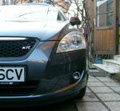
Dupa cum am spus, aici e si poza:

Image

Post Reply

Return to “Jurnal de bord”